thinking design for
people and the planet
Cia partners with forward-thinking manufacturers, museums, and communities to transform research into sustainable innovation by design.
independently, her speculative art and design projects serve as catalysts for dialogue with her design students and collaborators.
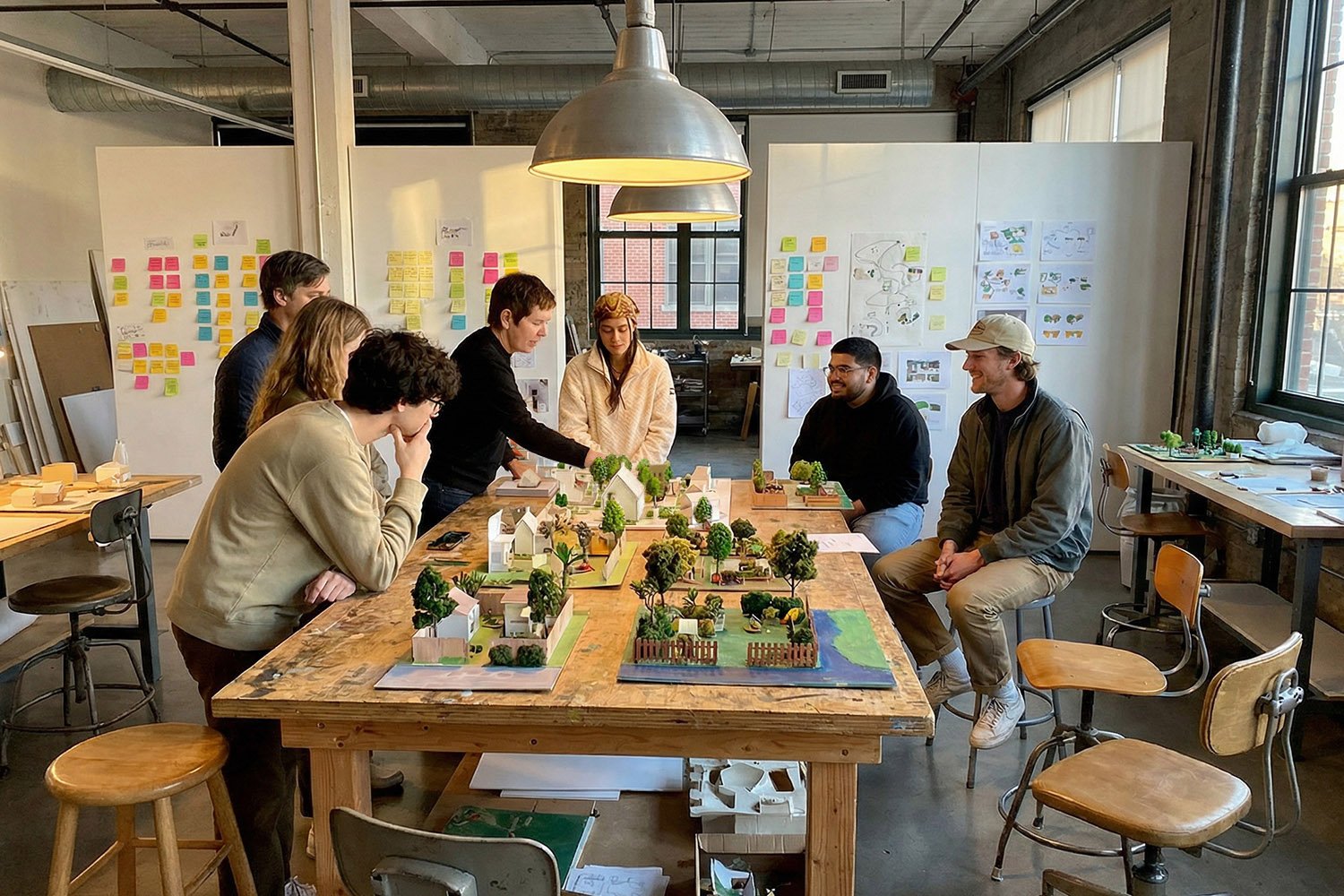
a collaborative and insight-driven approach
1 research
empathize + learn
workshops, interviews, and field work with stakeholders and users to understand behaviors, motivations, and breakdowns. identify unmet needs, shift thinking, break open ideas, explore competition and markets. establish project constraints.
-
research report, empathy maps, personas, user journey, uncovered patterns, key opportunities, problem framing and initial problem statement, metrics for success, timing, and resources
2 ideation
play + explore
brainstorm a wide range of creative solutions from initial insights. provide sketching, develop questions, user mapping (affinity/mind), and prioritize evaluation filters. identify potential patent opportunities and Establish sustainability goals.
-
idea clusters and concept sketches, priority list of solutions, idea evaluation matrix, early concept narratives
3 prototype
make + test
build tangible examples of selected ideas as lo-fi prototypes. storyboard and mock-up documentation. develop learning objectives for testing, role play and co-creation with users. testing with users and the stakeholders. document the learnings.
-
simple physical protoypes, protoype documentation of iterations in images and experiences including user feedback summary, protoype test plan, learning objectives, and recommended refinements for next stage development
4 refine
iterate + synthesize
Analyze insights from feedback, synthesize and refine design ideas for clarity. develop materials selection (cfm). support engineering, sourcing, and manufacturing reviews (dfm), i.p. reviews, key stakeholder reviews, eco-measures and test requirements.
-
updated prototypes, drawings, and/or revised product requirements, design synthesis report (key insights and directions), revised evaluation filters
5 implement
execute + launch
Translate refined solutions into production-ready designs, plans for market introduction, Engineering collaboration, production alignment, first article reviews, support marketing and communication design, and contribute to launch plan and rollout.
-
final design specifications and manufacturing files, go-to-market and storytelling assets, Implementation roadmap
grab a free download
about
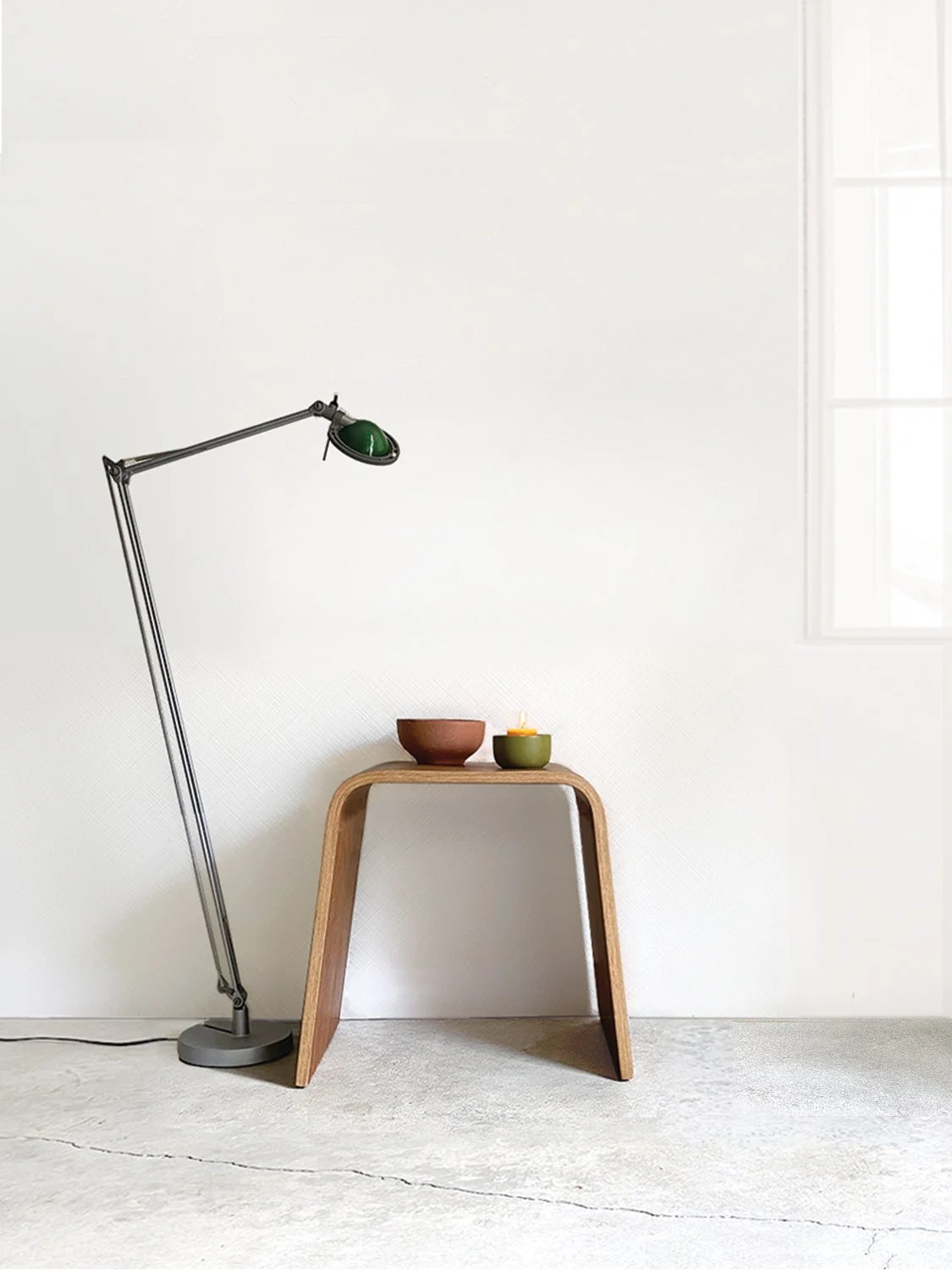
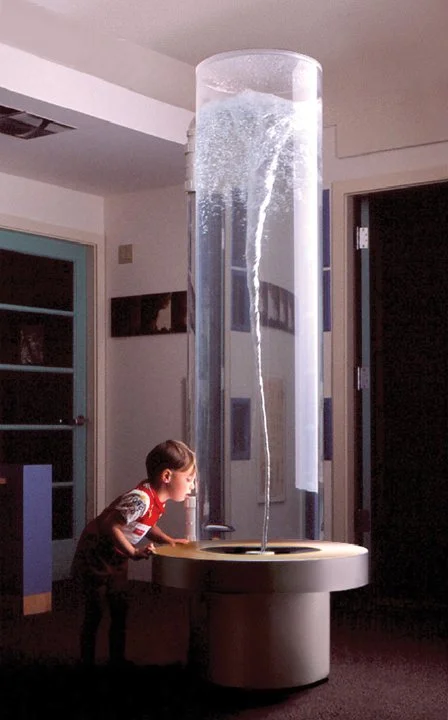
cia (chi-ah) is an american designer based in portland, Oregon. her international career spans the creation of products, objects, furniture, lighting, spaces, and exhibits. she has held senior positions guiding design, engineering, and marketing teams for manufacturers recognized as leaders in product design and sustainability. her aesthetic austerity, born from her new england roots, is balanced with the poetics of her progressive italian training. in addition to her product work, cia has developed audience-winning exhibits for science, technology, and children’s museums in the u.s. and beijing, china. she is a frequent teacher and guest lecturer with degrees in industrial design from pratt institute in Brooklyn and milan’s domus academy. cia’s design work has been exhibited at the salone del mobile, euroluce, the milan triennale with isao hosoe, and group exhibitions in new york, Miami, and portland.
-
moderation is one solution. use less, consume less, and waste less.
-
treat people and the planet with care and respect. guide children with love.
-
artisanship brings beauty, function, and emotive connections to things worth keeping.
-
nothing great was achieved without a curious mind.
-
consider the context and long-term consequences of our actions so future generations inherit a vibrant planet.
values
stories
thinking design for people + planet
what story will we
tell the children?
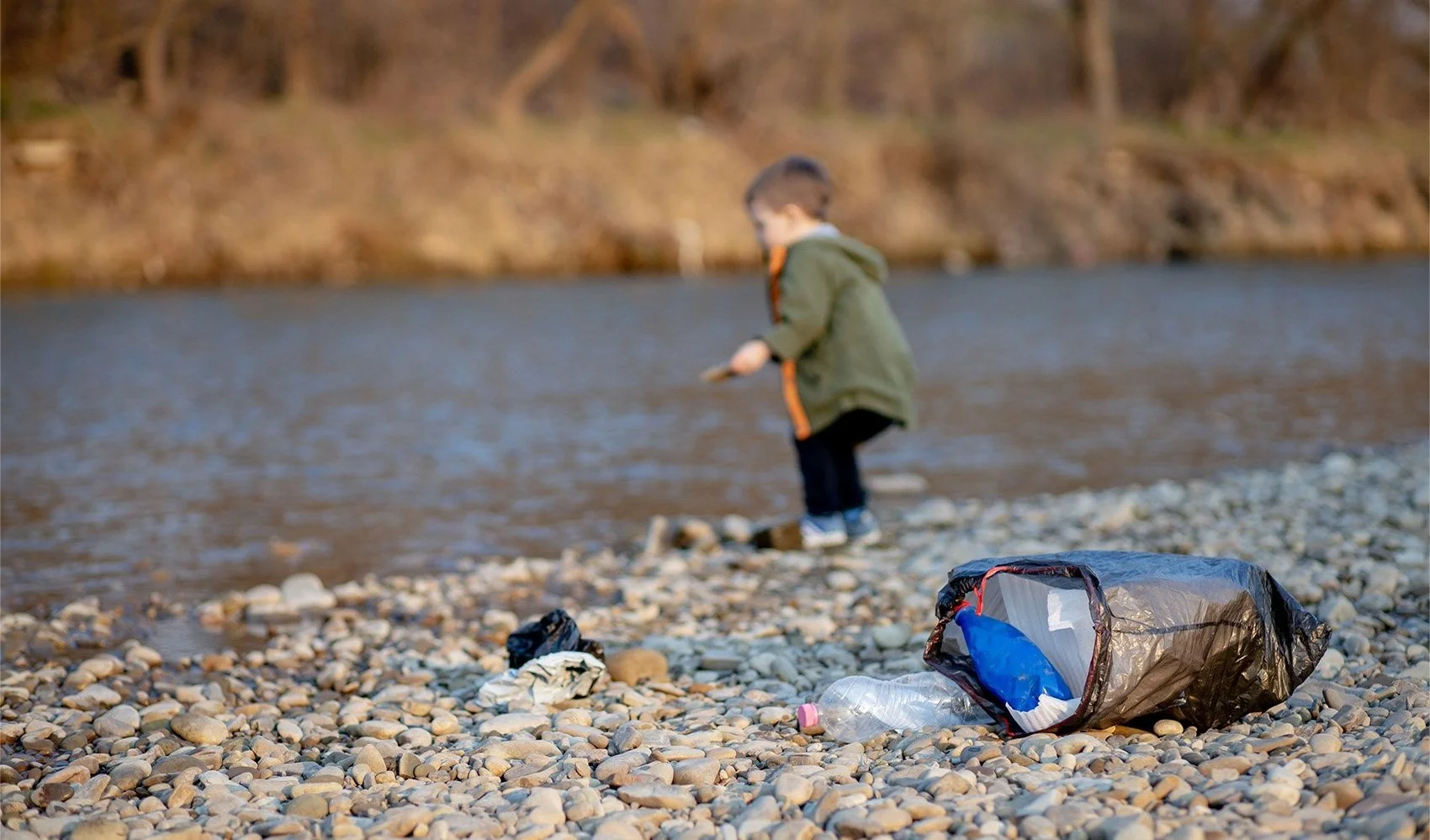
our products are outliving us in the oceans, air, and soil. why add more things to an already polluted world? as circular systems and bio-based solutions emerge, still in their infancy, is there an opportunity to reduce consumption altogether?
a frequently cited fact is that by 2050, there will be more plastic in the world’s oceans than fish. still, the expected increase in the global production of future plastics is enormous.
how might we change our ways? we can begin by ending single-use plastics that cannot be recycled.